Seizing the Opportunity Finding Opportunities of Urgent Immediate Needs in the EU and UK Market for Alcohol-Free Spirits
The world of spirits is going through fundamental changes. There is no longer a time when drinking alcohol would be the sole choice for those looking to taste the unique flavors and aromas of exquisitely crafted beverages. In our modern, health-conscious society, the demand for alcohol-free alternatives continues to grow. This seismic shift is creating various opportunities in the European Union (EU) and United Kingdom (UK) alcohol-free spirits market.
The Boom in Alcohol-Free Spirits
The rise of Non-Alcoholic Alternatives
The increasing interest in alcohol-free spirits may be due to the rising awareness of the negative effects of alcohol consumption on general health and wellbeing. In increasing numbers, people are adopting the right approach to their drinking habits, and putting quality over quantity. The alcohol-free spirit market is seeing massive growth.
Recent years have seen consumers are showing a keen preference for drinks that let them to experience the diverse flavors and sensory experiences traditionally related to spirits, all without the euphoric effect of alcohol. The juniper-like flavors of gin or the smokey undertones of whiskey these alcohol-free alternatives are designed to mimic the aroma and taste of their alcoholic counterparts.
The statistics reflect this change. Sales of alcohol-free spirits have increased, and a variety of brands have emerged to meet the demands. In addition, established distilleries have joined in the trend, lending their expertise to make high-end alcohol-free spirits that are suited to discerning palates.
It is the health and Lifestyle Change
While the increase in alcohol-free spirit is in part driven by the desire to taste delicious alternatives, a healthier lifestyle has been the dominant factor. Many consumers are opting for alcohol-free alternatives to help maintain a healthy lifestyle, get rid of hangovers, and reduce their alcohol consumption in general.
The trend towards healthier lifestyles extends beyond the wellbeing movement, which sees consumers prioritize self-care and mindfulness. This is why choosing alcohol-free spirits allows people to take pleasure in the art of mixing cocktails and mixology without compromising their health.
As the market continues evolving there are numerous opportunities for companies that can tap into the healthy consumer segment. The need to capitalize on these opportunities has never been more evident.
Understanding and navigating the EU as well as the UK Market
Market Overview
Before diving into the specific opportunities in specific opportunities within the EU and UK alcohol-free spirit market, it’s crucial to grasp the current state of affairs. Both regions have seen a significant rise in the consumption of spirits without alcohol.
In the EU Countries like Germany, France, and Spain are now major places to purchase alcohol-free products. These countries, well-known as having rich culinary traditions and love for fine drinks are embracing alcohol-free spirits with enthusiasm. Brands have responded by providing a diverse range of alcohol-free options that can be enjoyed by these markets.
The UK, with its vibrant bar scene and huge enthusiasm for health is another thriving market for alcohol-free spirits. London, in particular, is witnessing the rise of designated establishments and bars that do not serve alcohol that are indicating an increasing demand for elegant alcohol-free drinks.
Regulation Landscape
Understanding the EU and UK alcohol-free spirit market requires an in-depth understanding of the regulatory landscape. The regulations that govern production as well as the labeling and marketing of alcohol-free spirits may differ in different regions and countries.
In the EU, the production of spirits without alcohol usually comes under similar rules to alcohol-based beverages. This requires adherence to high quality specifications and labeling requirements. It’s vital for businesses to ensure that they comply with EU regulations to be able to enter this market.
In the UK, the regulatory landscape is influenced by both EU laws and regulations as well as domestic laws. It is essential to have clear and precise labels is crucial in educating consumers about any alcohol-related content in products.
Understanding these regulations is fundamental when it comes to businesses wanting to grow on the EU and UK alcohol-free spirit market. It not only assures legality, but also creates confidence with customers.
After having explored the growth and dynamic of the alcohol-free spirit market and established a foundational knowledge of that EU as well as the UK marketplace, now it’s now time to consider the distinct opportunities that await in these regions. In the next section we’ll examine the new segments of consumers driving consumer demand and innovative products that are revolutionizing the industry landscape.
Be on the lookout for opportunities to profit from the opportunity and make the most of your potential to profit from this exciting market.
The Smart Choice for Retailers: Order Alcohol-Free Spirits in Bulk from Swedish Distillers!
niche Markets and emerging trends on the EU and UK Alcohol-Free Spirit Industry
In our investigation of what’s happening in the EU and UK spirits that are alcohol free, we’ve revealed the sweeping explosion of this industry, led by health-conscious buyers and conscious drinking. Now is the time to go deeper into the market and identify the niche segments and new trends that are altering the market.
The Craft Alcohol-Free Spirit Movement
Artisanal Quality Sans Alcohol
A major development within the market for alcohol-free spirits is the growth of craft spirits producers dedicated to bringing out the best alcohol-free alternatives. These makers bring the exact levels of commitment and quality to alcohol-free spirits as traditional distillers do to their alcoholic counterparts.
Craft spirits that do not contain alcohol are distinguished with their unique and sophisticated flavors. They usually contain botanicals, herbs, and spices that are carefully distilled until they reach the perfect level. These products are not just alternatives, but are distinctive on their own that appeal to those who want to enjoy a sophisticated drinking experience without alcohol.
Craft Distilleries and Experimental Products
Craft distilleries across both the EU as well as the UK are leading this trend, as they experiment with novel ingredients and new distillation techniques. For example, a gin alternative infused with exotic botanicals or a whiskey-inspired drink with smoky undertones, these offerings are extending the range of alcohol-free spirits.
Consumers are increasingly drawn by handmade products since they exemplify authenticity, transparency, and a passionate love for quality. In a way, by supporting artisans consumers feel more connected to the craft and willing to explore unique flavor profiles which commercial brands can’t offer.
Targeting Niche Consumer Segments
The Rise of Zero-Proof Cocktails
As the demand for alcohol-free spirits grows in popularity, so too does the interest in zero-proof cocktails or “mocktails.” This trend is especially prominent in restaurants, bars and even at home mixologists. Making creative alcohol-free cocktails is now a fine art, and the demand for top-quality spirits that are alcohol-free to make these drinks is on the rise.
Zero-proof drinks are not only suitable for non-drinkers and designated drivers They appeal to everyone seeking a refreshing and sophisticated beverage without the consequences of alcohol. It is the case in EU and UK the emergence of alcohol-free cocktails that have zero proof is causing partnerships between bartenders along with alcohol-free spirit manufacturers to develop novel recipes, and to enhance the drinking experience.
The Health-conscious Generation
The health-conscious consumer segment is a driving force behind the popularity of alcohol-free spirits. They are a group that values wellness and mindfulness, seeking products that reflect the values they hold and their lifestyle choices.
Companies that are able to highlight the health benefits associated with alcohol-free spirits, like less calories and absence of any alcohol-related health risks, stand to capture the attention of this demographic. In addition relationships with health and wellness experts and professionals can improve branding credibility.
Eco- and sustainability Focus
Green Production and Sustainable Packaging
Environmental awareness is an important factor in the choice of consumers across The EU and UK. Brands operating in the alcohol-free spirit industry are responding by adopting sustainable practices in their the production process and their packaging.
Craft distilleries, especially have a strong commitment to sustainability. They try to source local whenever possible and reduce the use of water as well as employ eco-friendly distillation processes. Innovations in packaging, such as biodegradable and recyclable packaging, are also gaining momentum.
Stay ahead of the Curve
In our travels along an EU and UK market for alcohol-free spirits it’s clear that niche markets and emerging trends are driving change of this market. From craft producers redefining non-alcoholic spirits, to the rise of zero-proof cocktails, and an emphasis on sustainability. There are numerous opportunities for businesses who can invent and adapt to the changing needs of the market.
In the next segment we’ll examine the significance of marketing strategies and branding that resonate with the targeted people, as well as shed light on key challenges and solutions in this expanding market.
Stay tuned as we uncover the best ways to position your alcohol free spirit brand to be successful in Europe and the UK. EU and UK.
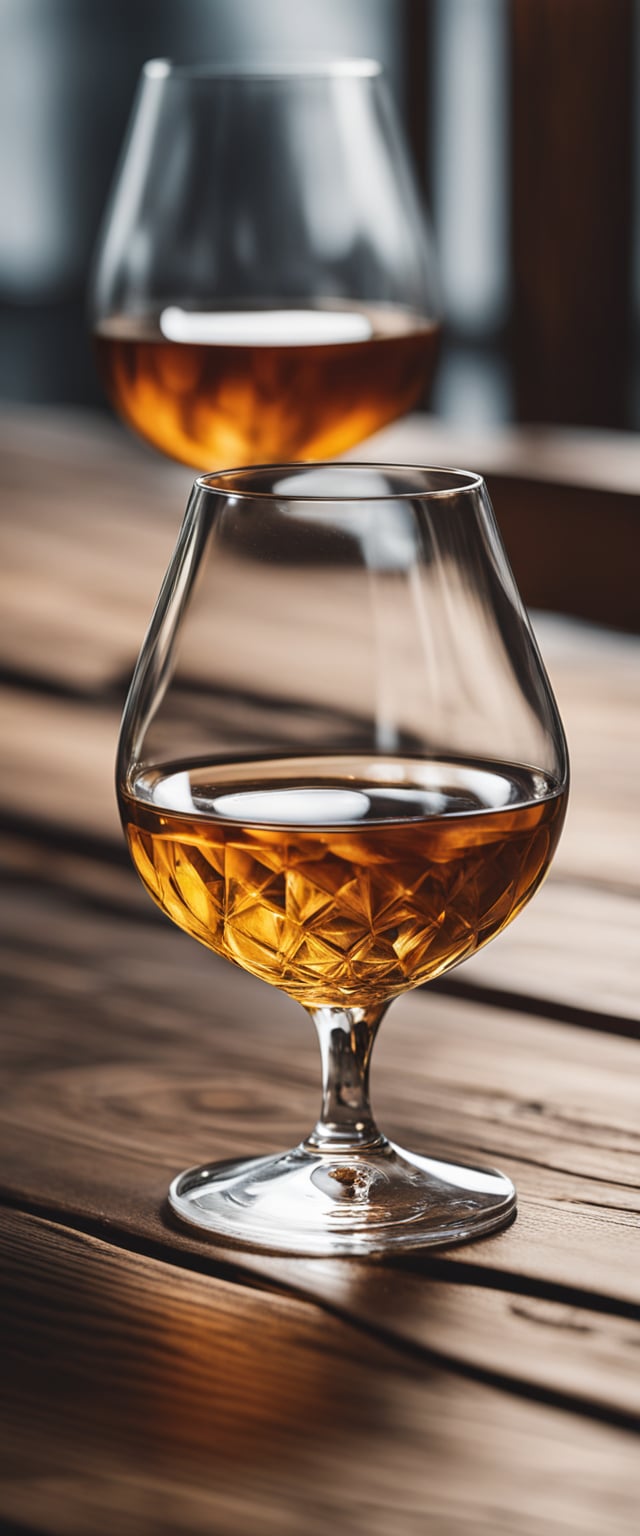
Branding and Marketing Strategies specifically for EU and UK Alcohol-Free Spirits
In our investigation of market trends in EU and UK alcohol-free spirit market, we’ve discovered the growing demand for these unique drinks and the rise in the popularity of craft spirits that are alcohol free, and the specific segments of consumers driving this sector’s growth. It’s now time to get into the realm of branding and marketing strategies to set your alcohol-free spirits brand apart from the crowd.
Establishing a Strong Brand Identity
Craftsmanship and Authenticity
In the realm of alcohol-free spirits, creating an engaging brand identity is crucial. Consumers will gravitate to brands that exude professionalism, authenticity, and a genuine commitment to high-quality. To establish your brand as an industry leader Consider the following tactics:
- “Tell Your Story” Share the history behind your brand with the emphasis on the passion and dedication to the process of creating your alcohol-free spirits.
- Transparency You must be transparent with your ingredients, production techniques and your sources. The authenticity of your business builds trust with consumers.
- Visual Identity The goal is to invest in an attractive logo and packaging design that communicates your brand’s values and distinctiveness.
Invoking Emotion
Alcohol-free spirits tend to be associated with positive emotions like wellbeing, celebration, as well as the ability to be mindful. Use these emotions to bring your audience to you on a greater levels:
- Emotory Storytelling Craft stories and marketing campaigns that are in tune with emotions associated with drinking spirits without alcohol. Replay moments of happiness, peace, and social connections.
- Inclusionary Messaging Make it clear that your alcohol-free spirits are for everyone, whether they choose not to drink or are designated drivers or simply are looking for an alternative to alcohol that is healthier.
Successful Marketing Strategies
Digital Presence and Content Marketing
Today, in the digital age, a strong online presence is vital. Ensure your brand is discoverable and is engaging across various digital platforms:
- Web Optimization Get an intuitive website that highlights your items, provides in-depth details, and has a blog section for content marketing.
- Social Media Engagement: Maintain active social media accounts to engage with your followers and share relevant content and conduct targeted advertising campaigns.
- Educational Content: Create content that educates consumers about the benefits, flavors and versatility of alcohol-free spirits. This could include blog articles or videos as well as infographics and infographics.
Partnerships and Collaborations
Collaborating with like-minded brands and influencers can increase your reach and credibility:
- Collaborations with Bartenders: Partner with bartenders to create cocktail recipes that are completely alcohol-free that make use of alcohol-free spirits. These collaborations could create buzz that can draw mixologists and drink enthusiasts.
- Influencer Partnerships Choose influencers from the wellness lifestyle, lifestyle, and alcohol-free sector who share your brand’s values. Collaboration with them will help you create authentic content that can expand your reach.
Navigating through the New Challenges and Looking Ahead
Although the market for alcohol-free spirits can provide a huge opportunity However, it does come with the possibility of presenting some difficulties. Certain consumers might still hold doubts about the taste and value of these alcohol-free products. Overcoming these hurdles requires patience, persistence, and constant improvement.
In our next chapter we’ll examine some of some of the biggest challenges facing the sector and suggest strategies to overcome these. Also, we’ll examine what the future holds for the EU and UK spirit market, which is alcohol-free, and predict the developments that will determine its growth.
Keep tuned as we supply you with the information and strategies to be successful in this exciting and dynamic market.
challenges and strategies in the EU and UK Alcohol-Free Spirit Market
As we’ve explored the landscape of alcohol-free spirits across the EU and UK We’ve highlighted the increasing demand for these intriguing drinks and delves into the basics of branding and marketing strategies. Now, it’s time for us to take on the challenges companies face in this fast-paced market and offer strategies to overcome them.
Challenges in the Alcohol-Free Spirit Industry
Consumer Misconceptions
One of the main issues is the misinformation that consumers are forming about the taste and quality of alcohol-free spirits. A few consumers are still conditioned to associate these beverages with blandness or unpleasant flavors. To counter this, you can consider these options:
- Taste Education: Educate consumers about the variety of flavors and the complexities of spirits that are alcohol-free. Hosting tasting events or virtual tastings that showcase the quality and depth of your product.
- Sample Programs offer sample-sized bottles or packs, allowing clients to sample alcohol-free spirit prior to committing to purchasing a full bottle.
Regulatory Compliance
The complex regulatory landscape surrounding alcohol-free spirits can be a challenge. Regulations regarding labeling and production are a bit different by country. Check for compliance through:
- Contact Legal Consultants Get legal counsel or regulatory experts with expertise in the area of alcohol and drink laws so that your brand can comply with all regulations.
- Careful Labeling Create clear and compliant labels that accurately depict the alcohol content in your product as well as ingredients.
Comparison and Differenciation
With the growing popularity of the market for alcohol-free spirits competition is intensifying. To stand out:
- Innovative Product: Continuously innovate through the development of new flavors, packaging or innovative production techniques.
- Differentiation Highlight what makes your brand apart, whether it’s green initiatives, unique ingredients or a compelling branding story.
Strategies to Overcome Problèmes
Consumer Education
A well-informed consumer is much more likely to embrace alcohol-free spirits. Think about these methods of education:
- Online resources Create complete online materials that explain the manufacturing process, the components, and potential health benefits of your products.
- customer support Customer Support: Provide outstanding customer support, addressing inquiries or issues swiftly.
Sustainability Initiatives
The consumer is increasingly concerned about sustainability. Encourage eco-friendly practices
- Eco-Packaging Choose sustainable packaging materials, and clearly communicate your commitment to a sustainable future.
- Local Sourcing The idea is to source ingredients locally when you can, while reducing your carbon footprint.
Co-operation and Partnerships
Collaborations can boost the reach and credibility of your brand. Consider:
- Retail Partnerships: Collaborate together with retailers to present your merchandise prominently in retail stores or online.
- Associations for Industry: Join alliances and associations in the industry to stay up-to-date and network with other alcohol-free spirits brands.
The Future of the Alcohol-Free Spirit Market
When we tackle these issues and come up with strategies to overcome them, it’s vital to keep an eye on the future. In our next article in which we’ll consider prospects for the EU and UK alcohol-free spirit market, identifying emerging trends and opportunities for brands to keep a close eye on.
Stay tuned for more updates as we travel the exciting journey that lies ahead for this vibrant and rapidly changing field.
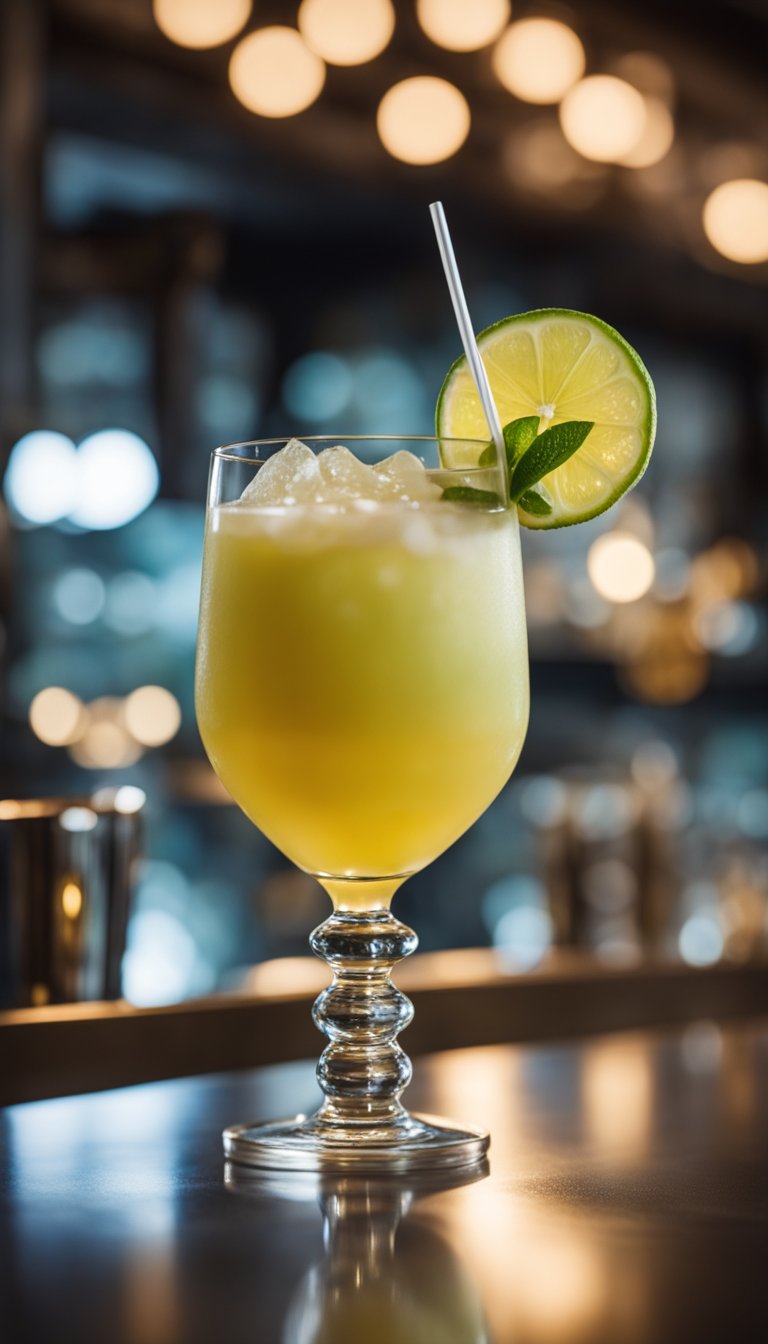
A New Future for the EU and UK and the Alcohol-Free Spirit Market: Trends and Opportunities
As we close our investigation on the EU and UK spirits market that are alcohol-free, we look toward the future, a time when exciting developments and exciting opportunities await brands operating in this dynamic market.
Emerging trends in the alcohol-free Spirit Market
1. Diverse Flavor Profiles
In the years ahead we will see an even broader range of flavors to come into the market. Consumers’ palates are growing more adventurous, and brands are responding with new botanical blends, exotic fruit infusions, as well as aromatic herb.
2. Premiumization
Similar to how the trend of premiumization changed the industry of alcoholic drinks as it did in the alcoholic spirits industry, we are expecting a similar trend in the alcohol free sector. Brands will invest in premium products and ingredients and will provide consumers with a superior experience.
3. Sustainability as a Standard
Sustainability will no longer be a distinct selling point but a standard expectation. Brands that prioritize eco-friendly practices starting with sourcing ingredients responsibly to using recyclable packaging, can benefit from competitive advantages.
4. Mocktail Culture
The trend of alcohol-free mocktails or drinks is likely to continue. These sophisticated and alcohol-free alternatives are taking off in bars and restaurants as well as providing an opportunity for alcohol-free spirits to collaborate with establishments.
Potentials on the Horizon
1. International Expansion
With the EU and UK markets seeing growth, brands should consider expanding their global presence. Markets in Asia, North America, Middle East, and North America provide great opportunities for alcohol-free spirits.
2. Health and Wellness Partnerships
Collaborations with health and wellness brands, influencers, and even events could help alcohol-free spirit brands reach healthier consumers seeking alternatives to alcohol.
3. E-Commerce Dominance
The rapid growth of e-commerce offers the perfect opportunity for direct-to-consumer sales. Brands should invest on user-friendly websites, internet marketing, and ecommerce strategies to capitalize on this growing market.
The Conclusion as well as Recap
In this series of five, we’ve explored the EU and UK Spirits that are alcohol-free and uncovered its rapid growth in terms of branding and marketing strategies, issues, and strategies to deal with these challenges. We’ve also explored emerging developments and opportunities to the brands operating in this exciting industry.
The lure of alcohol-free spirits in Europe is undisputed. Consumers are seeking healthier, more sustainable alternatives to drinking and the market continues to grow. Brands that embrace innovation, quality and sustainability, as well as global expansion will be better placed for success in the decades to future.
Thank you for joining us on this insightful journey through the world of alcohol-free spirits. We hope that this article has provided you with useful information as well as inspiration for your journey through this dynamic and constantly changing market.
